
Carlos Detres
About the Artist
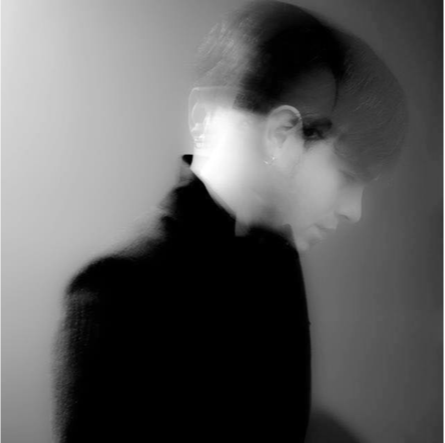
Carlos Detres is a New Orleans–based artist and photographer whose work explores the boundary between presence and absence. His images are less concerned with documenting what is seen and more focused on constructing the conditions under which something might be felt.
Photography, for Detres, is a way of examining the world beyond its surface—an attempt to engage with what exists just outside of immediate perception. Influenced by a long-standing interest in paranormal imagery, his work draws from photographs that claim to reveal what was not visible at the moment they were made. Rather than seeking proof, he is interested in the possibility such images suggest: that something may be present, even if it resists confirmation.
Detres approaches photography as a process of reduction—removing clarity in favor of atmosphere, ambiguity, and suggestion. The camera becomes not just a recording device, but a tool for constructing images that sit between recognition and doubt.
In parallel to his photographic practice, Detres is the founder and creative director of WE BITE RARE & UNUSUAL PLANTS, a New Orleans plant shop centered on rare species, ecological design, and education. Across both practices, his work reflects a sustained interest in living systems, perception, and the tension between the natural world and what resists explanation.
How To Make A Ghost
How to Make a Ghost unfolds as an exploration of a cemetery—both as a physical space and as a psychological one. The work moves through it slowly, as if on a tour, searching for something that may or may not be there.
The project is rooted in a personal experience with an EVP recording in which a voice once seemed unmistakably present, only to disappear upon returning to it years later. That moment introduced a persistent question: if something felt certain and is no longer perceptible, what can be trusted? And if that perception was unstable, what else might be?
Rather than attempting to document the paranormal, the images in How to Make a Ghost are constructed to reflect this uncertainty. Built through reduction—of light, clarity, and information—they allow forms to emerge and dissolve without resolution. What appears is never fully confirmed.
The work ultimately shifts away from the question of whether ghosts exist, and toward something more immediate: how we experience presence, how easily it can be suggested, and how unreliable perception can become when we try to hold onto it.
What remains is not evidence, but a series of encounters shaped by doubt—where the viewer is left to navigate the space between what is seen, what is felt, and what may never have been there at all.